The 2026 Small-Town Theater Road Trip: Five Screens Worth Building a Weekend Around

Photo by Photo by Alex Caza on Unsplash on Unsplash
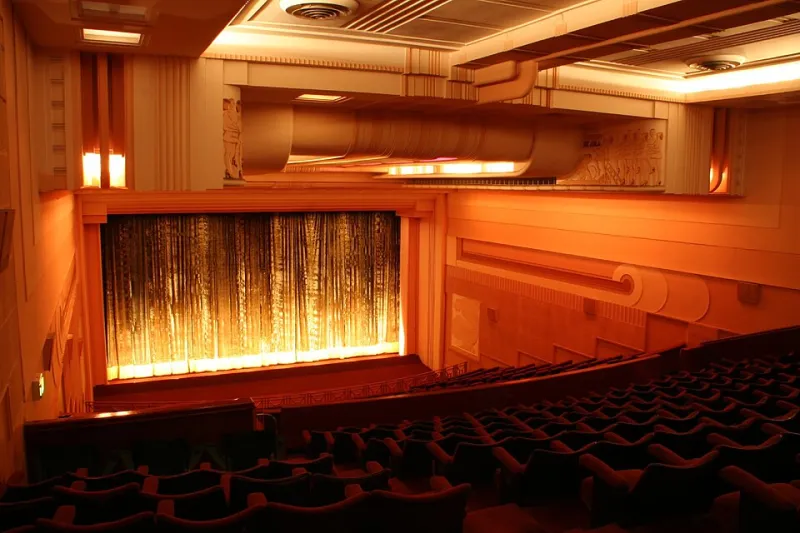
You know the theater. It's the one on the town square with a marquee that gets its letters changed by hand, where the marquee has a typo on it once a month and nobody fixes it. In 2026, that theater is also the best argument for leaving the house.
Multiplexes have spent the decade automating themselves into kiosks and reduced hours. Meanwhile a stubborn tier of small-town venues — restored 1930s single screens, volunteer-run arts centers, and community-owned cinemas — has figured out something the chains lost: a movie is only half the product. The other half is being in a room with your neighbors.
Why the Small Screen Wins the Room
The pitch is simple. You cannot schedule a Q and A with the director of a thirty-year-old cult favorite at a theater that has already been demolished. You cannot serve a locally made pie at a kiosk. You cannot run a sing-along of a musical the audience already knows by heart if the room is a stadium seat with a cup holder.
The programming is the thing. Specialty venues lean on classics, midnight movies, horror marathons, anime nights, documentaries with local relevance, and one-off events tied to the town itself. A venue that only shows whatever is number one nationally is competing with your couch and losing. A venue that shows something you cannot see anywhere else in a 60-mile radius isn't competing at all.
Five Venues to Put on the List
The classics, all worth checking before you plan a drive, because programming changes weekly and some are seasonal.
Rosendale Theatre — Rosendale, New York. A volunteer-run, community-supported cinema in the Hudson Valley that has become the model a lot of other towns copy. Art house bookings, live events, and a crowd that treats the place like a town hall.
Catlow Theater — Barrington, Illinois. A single-screen survivor outside Chicago with an interior worth the ticket alone and a stubborn commitment to keeping one auditorium busy seven days a week.
Lark Theater — Larkspur, California. An art deco landmark in a town small enough to walk end to end. Good mix of first-run specialty titles and revival programming, with a crowd that actually laughs in the right places.
The Byrd Theatre — Richmond, Virginia. Not tiny, but the blueprint: a 1920s movie palace that sells cheap tickets, runs a Saturday night classic with an organ player rising out of the floor, and treats the whole thing as civic infrastructure.
The Neon — Dayton, Ohio. A downtown art house that proved a mid-size city can sustain grown-up programming if the identity is clear enough.
A quick rule: before committing to any of these, confirm showtimes and that your drive isn't longer than the film.
How to Plan a Trip Around the Program
Start with the calendar, not the map. Pick the venue first, then look for the night with the weird booking — the 1970s sci-fi double feature, the local documentary, the live score. Those are the nights that justify three hours of driving.
Then build the trip outward. Arrive early enough to park and eat on the same block, because the best small-town theaters are almost always near the only walkable stretch of downtown. Book the motel within walking distance if you can. Ask at the concession stand where to get breakfast, and go there. That's the whole trip.
If you're traveling with people who need convincing, sell the town, not the movie. Historic main streets, a decent diner, a used bookstore, a river. The film is the anchor, not the entire evening.
What to Budget
Tickets at community venues are usually cheaper than a chain, often dramatically so. Concessions can run either way — a restored palace with a real kitchen may charge restaurant prices, while a volunteer operation might sell a slice of homemade cake for a couple of dollars. Expect to pay in cash at a surprising number of them, and expect a donation jar somewhere in the lobby. Bring small bills. Open the wallet. These places run on it.
Etiquette, Since It's Different Here
A few adjustments. The pre-show might include a raffle, a member of the board with a microphone, or a trailer for next month's event. Stay for it. Don't talk through the organ voluntary. Do clap when the projection comes up clean. If the person introducing the film asks the room a question, someone will answer, and it might be you.
And if you liked it, say so to whoever is ripping tickets. Word of mouth is the entire marketing department.
Finding One Near You
Search for your county plus the phrase independent cinema, then cross-check with the theater's own social accounts, which are usually more current than the website. Historic theater registries and regional arts councils are good for finding the palatial old ones that only open on weekends. If a venue has a membership page, that's usually the sign it's healthy and worth supporting.
The best-case outcome of this trip isn't a great movie. It's the discovery that there's a theater 40 minutes from your house doing the thing you were about to drive six hours for. Go there instead. Then go back next month.