Movie Night Math: The Real Cost of a Theater Trip in 2026
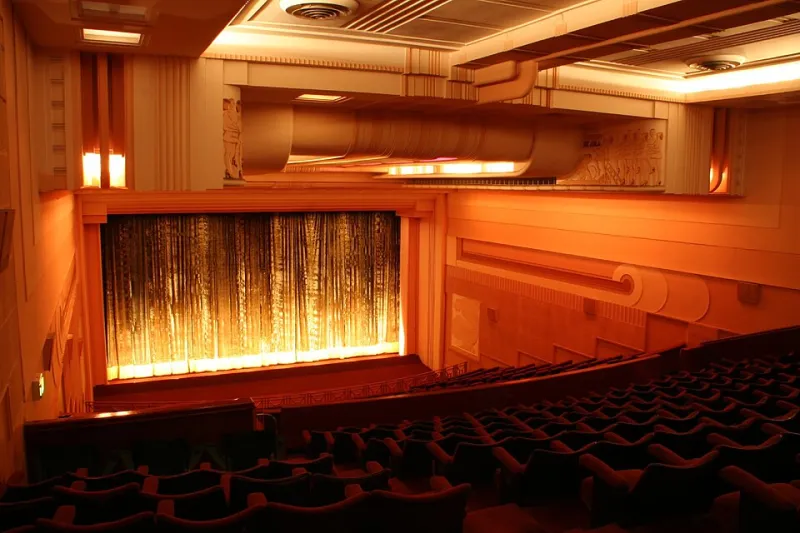
Photo: Rob Chandler, CC BY 2.0, via Wikimedia Commons
Going to the movies used to be the default cheap-ish night out. In 2026, it is closer to a small budgeting exercise. The $12 ticket still exists in some markets, but in most US metros it is either a matinee, a discount Tuesday, or a memory. Once you add a premium format, a parking garage, a popcorn, and maybe a sitter, the number on your card can look more like a concert than a movie. That does not automatically make the theater a bad deal. It does mean the decision deserves more math than habit.
The sticker price is only the opening scene
A standard evening ticket in a major US city now commonly lands between $15 and $19. In smaller markets, $11 to $14 is still possible, especially before 5 p.m. or on Tuesdays. Premium formats are the bigger swing: IMAX, Dolby, 4DX, and recliner-heavy auditoriums can push a single seat to $20, $25, or more. Reserved seating fees are usually baked in, but convenience fees are not. Buying through a third-party app can add $2 to $5 per ticket before you have even picked a snack.
That is the first rule of 2026 movie math: the listed ticket price is a starting bid, not the final bill.
Where the hidden costs live
Concessions remain the great American upsell. A large popcorn and a large soda can easily run $18 to $24 at a chain theater. The combo deal is usually the least bad option, but it is still a combo deal. If you have a family of four, the snack line can cost more than the tickets did a generation ago.
Parking is the quiet budget killer. Downtown lots and garages often charge $8 to $20 for an evening. Some theaters validate; many do not. Rideshare is another $20 to $40 round trip in many cities, which can make a $16 ticket feel like a $60 ticket. Babysitting is the wild card. At $15 to $25 an hour, a three-hour outing can add $45 to $75 before you have bought a single kernel.
Subscription programs can soften the blow. AMC Stubs A-List, Regal Unlimited, and Cinemark Movie Club all turn frequent moviegoing into a membership rather than a one-off purchase. They work best for people who go at least two or three times a month and can live within the plan's format restrictions. For everyone else, discount Tuesdays and matinees are still the simplest hack.
The staying-home comparison is not as simple as it looks
Staying home is cheaper, but not free. If you already pay for two or three streaming services, the marginal cost of a movie night is basically zero. If you are renting a new release for $6 to $8, ordering delivery, and making a snack run, the gap narrows fast. A $40 home setup is not unusual.
The theater still wins on one thing: scale. A comedy that would be fine on your couch can become an event in a full room. A horror movie plays differently with strangers. A big-budget spectacle is still built for a screen bigger than your wall. You are not just paying for the movie. You are paying for the room, the sound, the excuse to leave the house, and the shared reaction.
When the big screen still earns its keep
Go to the theater when the movie is the point. See the action epic, the horror film, the animated movie your kids have been waiting for, or the local independent release that will disappear in two weeks. Go when the outing itself is the gift: a date, a birthday, a rainy Sunday with friends. Go when you want the collective laugh or the collective gasp.
Skip it when you are mainly buying convenience. If you are tired, if the movie is a talky drama, if you have a great TV and a quiet house, the couch is not a compromise. It is the smarter spend. The theater is not a charity. It has to earn the premium.
A practical checklist before you hit buy tickets
- Check the total price, not the ticket price. Include fees, parking, and snacks.
- Compare premium formats with standard screens. Not every movie needs the upgrade.
- Look for discount days, matinees, and loyalty programs.
- Eat before you go, or set a snack budget before you walk in.
- Factor in the sitter, the rideshare, and the parking garage.
- Ask whether this is a movie you want to feel in a crowd or one you want to pause.
The bottom line
A real night at the movies in 2026 is less a $12 impulse and more a $50 to $100 decision for many US households. That does not mean it is overpriced. It means it is a choice. MajorSite's entertainment desk still believes in the big screen, but we believe in doing the math first. The best movie night is the one you actually wanted, not the one you defaulted into.