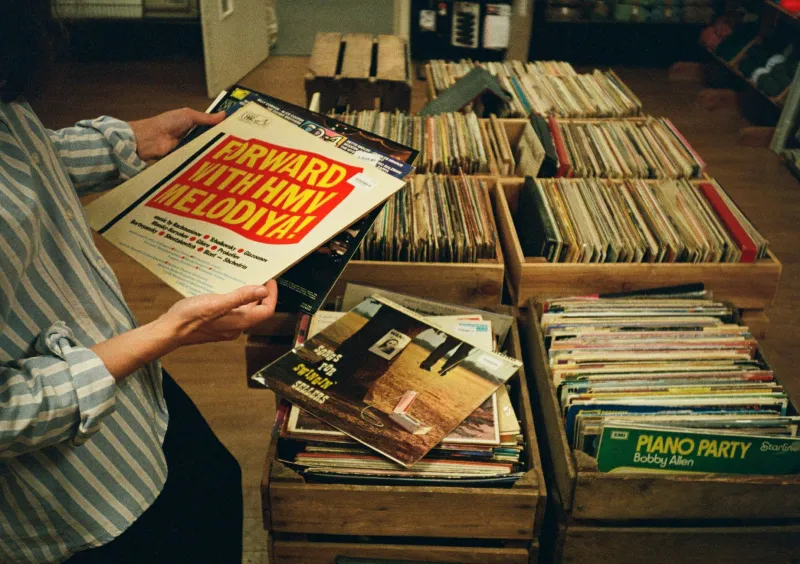
The Free Streaming Stack in Your Wallet: What a Library Card Gets You in 2026
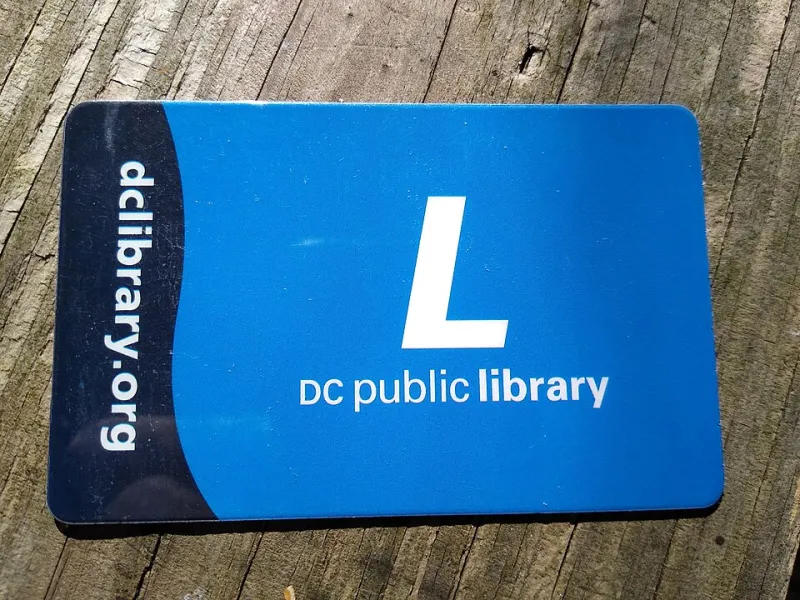
Photo: Photo by T. Carter Ross; card design and logo, DC Public Library, Public domain, via Wikimedia Commons
Your library card is probably the most underused entertainment subscription in your wallet. In 2026, US public libraries are not just book lenders. They are local entertainment portals with streaming services, video games, museum passes, instrument rentals, film screenings, and free events. The catch is that every library system is different. The upside is that the price is right.
More than books: the card in your wallet
The library card has always been a key to the collection. The collection has changed. Many systems now license digital media, lend physical gear, and host programming that looks more like a cultural center than a quiet reading room. You still need to sign up in person or online with proof of local residence, but once you are in, the menu can be surprisingly deep.
Streaming without another subscription
Two names come up again and again: Kanopy and Hoopla. Kanopy is known for independent film, documentaries, and classic cinema. Hoopla mixes movies, TV, comics, audiobooks, and music. Libby is the app most people know for ebooks and audiobooks, but many systems also use it for magazines and, in some cases, streaming video.
The trade-off is the same as any subscription: limits. You may get a set number of credits per month, a shorter lending window, or a smaller catalog than a paid service. That is fine. Treat it as a rotating bonus shelf, not a replacement for everything. Check your library's digital branch before you add another $11.99 charge.
Games, gear, and things you can borrow
Video games are a growing category. Some libraries lend console games, and a few lend consoles themselves for in-library use or short take-home periods. Others stock board games, tabletop RPG books, and puzzle kits. The catalog varies wildly, so search the online catalog for your platform before you assume.
Instruments are another quiet surprise. A number of US libraries run instrument-lending programs through partnerships, offering guitars, ukuleles, keyboards, or drums for a few weeks at a time. It is not a music school, but it is a low-risk way to try a hobby before you spend $300 on something that ends up in a closet.
Museum passes and local culture for free
Many library systems offer museum passes, zoo passes, or park passes that can be reserved online. These are often the best deal on the list: a family pass to a local museum can be worth $50 to $100 or more. Availability is limited, especially on weekends, so reserve early. Some passes are print-at-home; others are checked out like a book.
Libraries also host film screenings, author talks, craft nights, language groups, and local history exhibits. These are not filler. They are the reason the library works as a third place: free, low-pressure, and open to people who are not buying a drink.
How to find your library's hidden menu
Start with your library system's website, not a general search. Look for pages labeled digital media, borrowing, museum passes, equipment, or programs. If the site is hard to navigate, call the reference desk. Librarians are very good at this.
Then check the apps. Libby, Hoopla, and Kanopy are the big three, but your system may use different services. You may need to enter your card number and PIN. If a service is not listed, it is probably not included.
Finally, ask about reciprocal borrowing. Some systems let you use a card from a neighboring town, and some state programs connect libraries across a region. That can double your access without doubling your cost.
The fine print: waits, limits, and library etiquette
Digital catalogs have waits. Popular movies and games may have hold lists. Streaming credits reset monthly, and some titles disappear when a license ends. Physical items need to be returned on time, and gear often has a replacement fee if it is lost or damaged.
The etiquette is simple: return things in the condition you got them, respect the hold queue, and do not treat the library as a free video store with no consequences. The system works because most people follow the rules.
Why it belongs next to your paid streaming stack
A library card is not a replacement for Netflix, Max, or whatever you are paying for this month. It is a supplement. It fills the gaps: the documentary you cannot find, the classic film that is not streaming anywhere, the game your kid wants to try, the museum you keep meaning to visit. It also gives you a local entertainment directory that does not require an algorithm.
The bottom line
In 2026, the best entertainment subscription in your wallet might be the one you got for free. Check your library's digital menu, reserve a museum pass, and see what is sitting behind your card. MajorSite's streaming desk thinks it deserves a spot next to your paid apps, and your budget probably agrees.