The Cool Kid Hierarchy of Knowing Stuff Nobody Else Has Heard Of
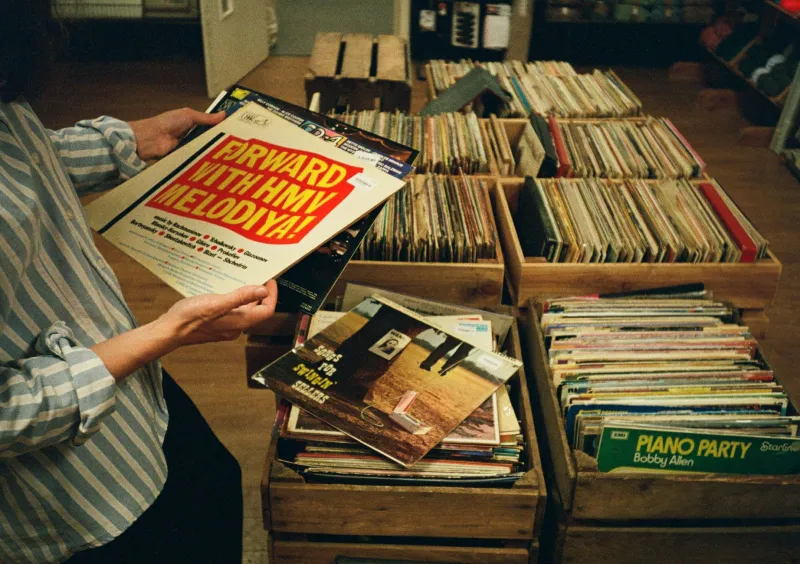
Somewhere in the last decade, "I liked them before they were big" stopped being a throwaway comment and became a social credential. It shows up in how people talk about movies at dinner parties, how they describe their music taste on first dates, how they build their entire online identity around a cult TV show that got canceled after one season on a network most people forgot existed.
Niche fandom has always been around. But something about the age of infinite content has transformed it into a full-blown status game — one with its own hierarchy, its own gatekeeping, and its own very particular kind of snobbery.
When Obscurity Became the Point
For most of entertainment history, the goal was mainstream success. A band wanted to sell out arenas. A movie wanted to top the box office. A TV show wanted to win Emmys and get renewed for six seasons. Cultural capital flowed toward the popular, the widely seen, the universally known.
That logic still holds in plenty of ways. But alongside it, a parallel economy emerged — one where the value of a piece of entertainment is almost inversely proportional to how many people have heard of it. An obscure 1970s Italian horror film that never got a proper US release? Extremely valuable. A buzzy A24 movie that your coworkers are all talking about? Getting a little too mainstream. A viral Netflix show that your mom watched? You might as well have never brought it up.
This isn't just snobbery for its own sake. There's a real psychological payoff. Knowing about something obscure signals that you're paying attention in ways other people aren't. It implies taste, effort, and a rejection of the algorithmically curated mainstream. In a media landscape where everyone is watching the same three shows and listening to the same Spotify-recommended playlists, being the person who found something genuinely different feels like an act of individuality.
The Gatekeeping Paradox
Here's where it gets messy. The whole point of discovering something niche is, ostensibly, to love it. But sharing it too widely creates a problem: the thing you loved for being unknown becomes known. And then it's no longer yours.
This creates a bizarre set of behaviors. People will enthusiastically recommend an obscure film — but only to people they deem worthy of it. They'll talk about an underground band in vague terms, just enough to signal awareness without actually directing anyone toward the music. They'll mention a forgotten TV show by title without explaining what it is, watching to see if anyone recognizes it.
When something does break through — when that cult movie gets a major retrospective, or that indie band lands a sync deal in a car commercial — the original fans don't celebrate. They mourn. The thing they loved has been contaminated by popularity. The status signal is gone. Time to find the next hidden gem.
It's an exhausting cycle, and most people engaged in it are aware, on some level, that it's a little absurd. But awareness doesn't make it stop.
The Hunting Never Ends
What the niche status game demands, more than anything, is constant effort. You can't just enjoy things. You have to be actively searching — for the next forgotten director, the next overlooked album, the next canceled show that deserves a rewatch. The hunt is the identity.
Streaming platforms have made this both easier and harder. Easier because the sheer volume of content means genuinely obscure material is more accessible than ever — you can find a 1988 Yugoslav sci-fi film at 2 a.m. without leaving your couch. Harder because algorithms keep surfacing the same stuff to everyone, which means true obscurity requires getting off the beaten path in increasingly deliberate ways.
Reddit communities, Letterboxd lists, Discord servers, niche newsletters — these are the infrastructure of the underground. They're where people compare notes, validate discoveries, and yes, quietly compete for the title of most culturally adventurous person in the room. The social dynamics can get surprisingly intense for conversations about whether a 1993 direct-to-video action movie counts as an underrated masterpiece.
What It Says About How We Value Entertainment
There's something worth sitting with here. The niche status game, for all its occasional pretension, is a response to a real problem: in a world of unlimited content, how do you find things that actually mean something to you? How do you distinguish between what you genuinely love and what the algorithm decided you should watch next?
The hunt for obscurity is, at its core, a search for authenticity. It's an attempt to have a relationship with entertainment that feels personal rather than mass-produced. That impulse isn't wrong. The execution just gets weird when it tips from "I love finding things" into "I love that other people haven't found this."
The best version of niche fandom is generous — people who get genuinely excited to share something they love and don't care if it eventually finds a bigger audience. The worst version is hoarding: treating cultural knowledge like a limited resource that loses value the moment it's shared.
Both versions are everywhere right now. And honestly, most of us have probably been guilty of the second one more times than we'd like to admit.
The Hidden Gem That Got Away
At the end of the day, entertainment is supposed to make you feel something. A movie doesn't become less good because more people see it. A band doesn't become less talented because they land a major label deal. The thing you loved when nobody else knew about it is still the same thing — you've just lost exclusive access to the feeling of being ahead of the curve.
That loss is real, in a specific social sense. But it's worth asking whether the grief is actually about the art, or about the status that came with knowing it first. That's an uncomfortable question. It's also probably the most honest one you can ask yourself the next time you feel vaguely annoyed that something you loved is finally getting the attention it deserved.