From Bedroom Setup to Brand Deals: Why Gaming Streamers Are the New Hollywood
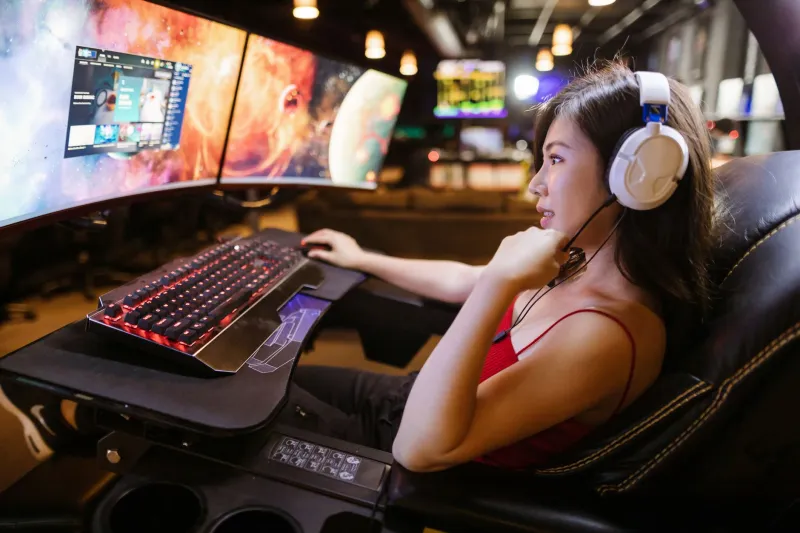
Not long ago, the idea of a kid playing video games in his childhood bedroom becoming more marketable than a seasoned Hollywood actor would have sounded like a punchline. Today, it's just Tuesday.
The gaming streamer economy has exploded into something that Wall Street, Madison Avenue, and yes, traditional entertainment studios are scrambling to understand. We're talking multi-million dollar sponsorship portfolios, sold-out arena events, and brand partnerships with companies like Red Bull, Mercedes-Benz, and Nike — the same companies that once reserved those checks exclusively for athletes and movie stars.
So what actually happened? And why does a 22-year-old playing Fortnite for eight hours a day suddenly have more cultural leverage than someone with an IMDb page and a SAG card?
The Numbers Don't Lie
Let's start with the money, because it's genuinely staggering. Ninja — Tyler Blevins, for the uninitiated — reportedly signed a deal with Mixer (RIP) worth somewhere between $20 and $30 million. Before that platform folded, he had already demonstrated that a streamer could command fees that rival A-list actor salaries. More recently, streamers like xQc, Pokimane, and Kai Cenat have built personal brands worth tens of millions, not counting the ad revenue, merchandise lines, and appearance fees layered on top.
For context, the average working actor in Hollywood earns less than $26,000 a year according to SAG-AFTRA data. The gap between the industry average and what top-tier streamers pull in isn't just a gap — it's a canyon.
But raw earnings only tell part of the story. The more interesting metric is influence per dollar, and that's where gaming personalities are absolutely lapping the field.
Why Brands Are Chasing Controllers Instead of Cameras
Here's what brands figured out before most of the media did: streamers have something traditional celebrities almost never deliver — sustained, undivided attention.
When you watch a movie or a TV show, you're watching the character, not the actor. When you tune into a streamer's channel for four hours, you're watching them. Their reactions, their frustrations, their jokes, their opinions. That parasocial bond is incredibly powerful, and it translates directly into purchasing behavior.
A 2023 survey from Influencer Marketing Hub found that gaming influencer campaigns generate engagement rates that are 3 to 5 times higher than traditional celebrity endorsements on social media. Brands selling everything from energy drinks to insurance have quietly shifted significant portions of their marketing budgets toward gaming personalities — not because it's trendy, but because it converts.
And unlike a film premiere or an awards show appearance, a live stream is interactive. When a streamer mentions a sponsor mid-game and their chat erupts with 10,000 people typing the promo code simultaneously, that's not passive advertising. That's a buying moment happening in real time.
Gen Z Rewrote the Celebrity Rulebook
To understand why streamers have ascended so quickly, you have to understand how Gen Z thinks about fame — because it's fundamentally different from every generation before them.
For Boomers and Gen X, celebrity was largely defined by scarcity and distance. Stars were people you couldn't reach, couldn't talk to, and only encountered through carefully managed media appearances. That mystique was part of the appeal.
Millennials started chipping away at that wall with social media. But Gen Z dismantled it entirely.
For a 19-year-old who grew up on YouTube and Twitch, a streamer who goes live every day, responds to chat, plays games with fans, and shows you their actual unfiltered personality is more of a celebrity than someone who releases one polished movie every two years. Accessibility isn't a liability — it's the whole point.
This is why Kai Cenat can host a "subathon" on Twitch and attract 300,000 live viewers at 3 a.m. on a Tuesday. It's why Ludwig's chess tournaments draw more online viewers than many cable sports broadcasts. Authenticity, consistency, and community are the new currency of fame.
Arenas, Merch, and the IRL Expansion
If you still think streaming is just an online phenomenon, consider this: esports events now regularly fill arenas that NBA teams play in. The League of Legends World Championship has drawn viewership numbers that rival the Super Bowl in certain demographics. And individual streamers — not teams, individual people — are headlining fan meetups and conventions that sell out in minutes.
Merch is another massive revenue stream that often goes underreported. Streamers like MrBeast (who straddles the gaming and general content space) have built merchandise operations that function like standalone retail businesses. Limited drops, collabs with established brands, and community-driven product lines generate revenue that has nothing to do with how many people watched last night's stream.
The infrastructure around streaming fame has matured rapidly. Talent agencies, management companies, and PR firms that once focused exclusively on traditional celebrities now have entire divisions dedicated to gaming personalities. CAA, WME, and UTA all rep major streamers. That's not a footnote — that's a structural shift in how the entertainment industry operates.
What Hollywood Should Be Worried About
Traditional entertainment isn't going anywhere, but it's losing ground in a very specific and very important demographic: young men aged 18 to 34. This group, once the core audience for blockbuster films and prime-time TV, is increasingly spending their entertainment hours on gaming content instead.
Studios and networks have started to notice. We've seen streamers get cast in movies, appear on late-night talk shows, and land deals with traditional media companies. But there's a real question about whether Hollywood is adapting or just borrowing cultural capital it doesn't fully understand.
The streamers who've tried to cross over into traditional entertainment have had mixed results. The ones who've stayed in their lane — building deeper community, expanding their platforms, and treating their audience like partners rather than passive consumers — are the ones still winning.
For now, the bedroom studio and the Hollywood soundstage are competing for the same audience's time. And increasingly, the bedroom is winning.