Spending $400 on a Concert Ticket Isn't Crazy Anymore — It's a Flex
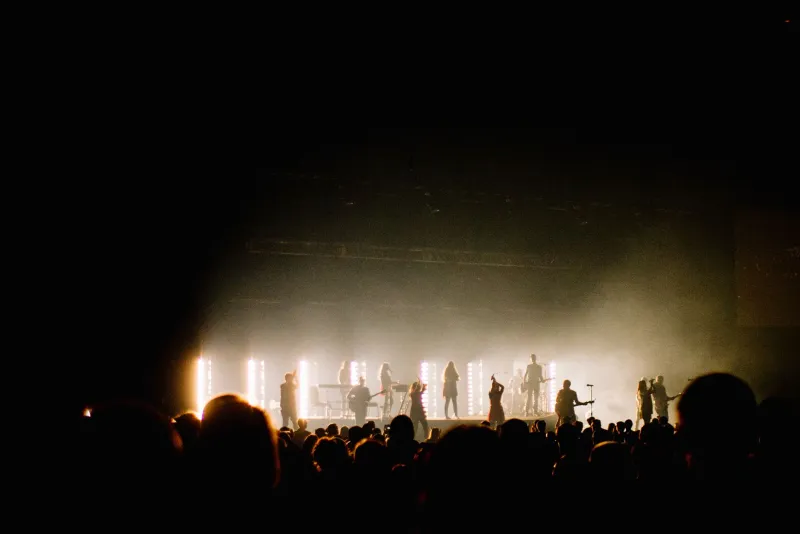
Not long ago, paying a few hundred dollars for a concert ticket felt like something you'd need to justify to your bank account. Now? It's practically a personality trait. Post it to your Stories, mention it at brunch, frame the ticket stub. Live events — concerts, Broadway shows, comedy tours, immersive theater — have quietly shed their old identity as casual entertainment and emerged as one of the most loaded forms of social currency in America right now.
And the numbers back it up. Live Nation reported record-breaking revenue in recent years, with fans spending more per show than at any previous point in the company's history. Ticketmaster's dynamic pricing model, once a source of outrage, has become almost normalized — because people keep paying. The question isn't whether Americans are splurging on live experiences. It's why, and what that says about where we are culturally.
The Streaming Paradox
Here's the irony nobody talks about enough: the more content we have available at our fingertips, the more we crave something we can't access from a couch. Netflix, Hulu, Max, Peacock, Apple TV+ — we are drowning in on-demand entertainment. And somehow, that abundance has made scarcity feel intoxicating.
When you can pause, rewind, or revisit almost any piece of media whenever you want, the things you can't do that with start to carry a different kind of weight. A Beyoncé concert doesn't have a replay button. A sold-out off-Broadway run doesn't drop on streaming three months later. That irreversibility — the fact that missing it means genuinely missing it — creates a psychological urgency that no algorithm can replicate.
Psychologists who study consumer behavior have a term for this: experiential scarcity. When an experience is time-bound and non-reproducible, our brains assign it higher value. It's not just FOMO in the traditional sense. It's something deeper — a hunger for moments that feel real in a media landscape that increasingly feels manufactured and infinite.
The New Economics of Showing Up
Ticket prices have climbed steeply, and not just at the top end. Even mid-tier shows — regional theater productions, mid-sized venue concerts, comedy club headline acts — have seen significant price increases over the past few years. A combination of post-pandemic pent-up demand, rising venue operating costs, and yes, the controversial adoption of dynamic pricing has reshaped what Americans expect to pay for a night out.
Event promoters are candid about what's driving this. Venues that struggled through shutdowns have rebuilt their pricing models with a clear priority: maximizing revenue per ticket rather than maximizing attendance. The era of cheap floor seats is largely over for major acts. And while that's genuinely frustrating for fans on tighter budgets, it's also created a tiered prestige economy around live events.
VIP packages, artist meet-and-greets, premium viewing areas, and curated pre-show experiences have exploded as revenue streams. These aren't just upsells — they're status differentiators. The person in the pit with a wristband that cost $600 isn't just closer to the stage. They're signaling something about how they spend their money and what they prioritize. In a culture where conspicuous consumption has shifted away from things and toward experiences, that signal carries real social weight.
Broadway's Unexpected Glow-Up
It's not just concerts. Broadway has undergone a remarkable cultural rebranding over the past few years. What was once perceived as a niche interest for theater nerds or out-of-town tourists has become legitimately cool — and expensive. Hamilton may have kicked off the modern era of theater-as-event, but the trend has only deepened since.
Shows with celebrity-driven casting, like recent productions featuring major film and TV stars, routinely sell out within hours of going on sale. Resale prices for hot tickets regularly hit four figures. And social media has amplified the visibility of theatergoing in ways that weren't possible even a decade ago. The post-show selfie outside the theater, the playbill photo, the emotional recap video — Broadway attendance has become content, which has made it aspirational in a whole new way.
New York isn't the only market benefiting. Touring productions in cities like Chicago, Los Angeles, and Atlanta are selling out faster than pre-pandemic norms. Regional theater companies report stronger single-ticket sales alongside subscription renewals, suggesting that new audiences — many of them younger — are discovering live theater as an experience worth paying for.
What Venues Are Getting Right
Smart venues aren't just raising prices and hoping for the best. The ones thriving right now have figured out that the experience around the event matters almost as much as the event itself. Pre-show programming, upgraded food and drink offerings, artist-curated playlists in the lobby, immersive set design in common areas — these touches transform a night out into something that feels worth documenting and talking about.
Immersive entertainment specifically has carved out its own booming niche. Experiences like Sleep No More in New York, or the wave of Van Gogh and Monet immersive art exhibitions that swept through major cities, proved that audiences will pay generously for something that places them inside an experience rather than in front of it. That model has influenced how traditional venues think about audience engagement.
The lesson promoters seem to have absorbed is this: people aren't just buying a show. They're buying a story they get to tell afterward.
The Culture of Being There
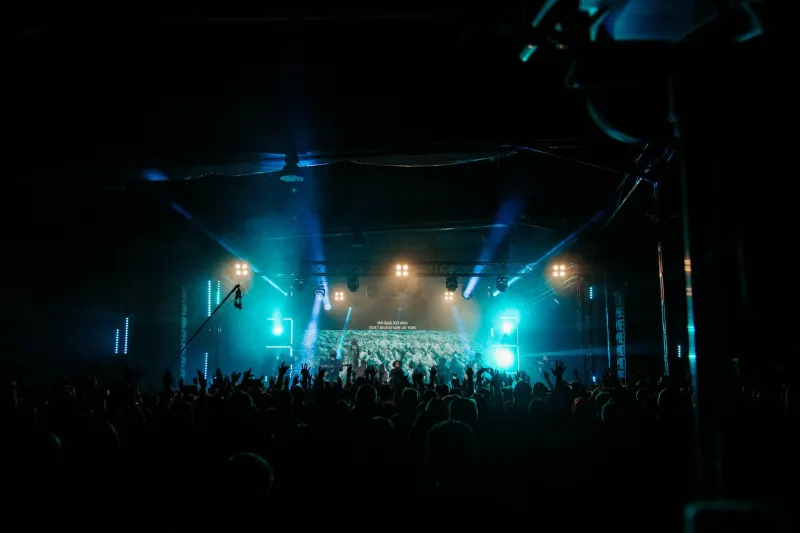
There's something almost countercultural about live events in 2024 and beyond. In a world of remote work, digital socializing, and algorithmic content delivery, physically going somewhere — standing in a crowd, making eye contact with strangers, sharing a collective reaction to something happening in real time — feels almost radical.
That's not an exaggeration. Younger Americans especially, who grew up with smartphones and social media as primary social infrastructure, are increasingly vocal about craving in-person connection that feels unmediated and spontaneous. A concert or a play delivers exactly that. You can't scroll away. You can't multitask. For two or three hours, you're just there.
And that presence, it turns out, is worth a lot. Not just emotionally — though the emotional payoff is real — but socially and even professionally. In certain circles, the live events you attend say something about your taste, your priorities, and your access. Tickets to the right show at the right time have become a form of cultural literacy.
Whether that's a healthy development is a separate conversation. But the trend is undeniable: showing up has become a statement. And Americans, it seems, are more than willing to pay for the privilege.