Too Many Podcasts, Not Enough Time: A Listener's Guide to Finding Shows You'll Actually Finish
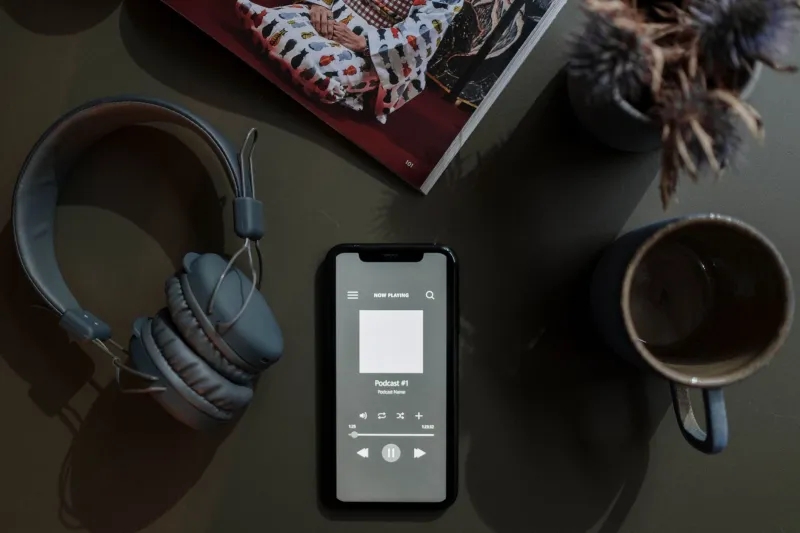
Somewhere between the true crime boom, the celebrity interview gold rush, and every brand on earth launching an "original audio series," podcasting went from a scrappy alternative media format to an absolutely overwhelming content category. There are now over three million podcasts in existence. Three million. For context, that's more than the number of Starbucks locations on Earth — multiplied by a lot.
And yet, most of us are still listening to the same five shows we've had in our rotation since 2019.
The problem isn't a shortage of good podcasts. It's that the good ones are buried under an avalanche of the mediocre, the abandoned, and the frankly bizarre. So let's talk about how to actually find audio worth your time — and how to stop guilt-subscribing to shows you never open.
Why Podcast Discovery Is Broken (And Getting Worse)
Unlike music streaming, where algorithms have gotten genuinely impressive at surfacing new artists, podcast discovery tools are still pretty primitive. Apple Podcasts and Spotify both have recommendation features, but they lean heavily on popularity metrics — which means they mostly surface what's already popular, creating a feedback loop that makes breaking through as a smaller show nearly impossible.
The charts are dominated by shows from established media companies, celebrity names, and true crime franchises. Not because those are objectively the best podcasts. Because they already have marketing budgets and name recognition.
This is a real problem for listeners who want something off the beaten path. It's also why word-of-mouth remains, by a significant margin, the most reliable way to find genuinely excellent audio.
The First Filter: What Are You Actually Looking For?
Before diving into discovery tools, it helps to get specific about what kind of listening experience you actually want. Podcasts fall into a few broad emotional categories, and knowing which one you're in the mood for saves a lot of wasted time.
Background listening — shows you can have on while cooking or driving without needing to track every word. Conversational interview formats, casual roundtables, and news recap shows tend to work well here.
Active listening — narrative journalism, serialized fiction, and deeply reported documentary-style shows that reward your full attention. These are the podcasts people talk about finishing in a single weekend.
Skill-building — educational content in a specific domain, whether that's personal finance, cooking technique, or learning a language. Quality varies enormously in this category, and credibility matters a lot.
Being honest with yourself about which mode you're in — and when — will save you from the common trap of subscribing to an intense investigative series when you really just want something easy for your morning run.
Discovery Tools That Are Actually Useful
Podchaser is the closest thing podcasting has to a proper review database. Users can rate individual episodes (not just shows), leave detailed reviews, and build lists — which means you can find curated recommendations from people with taste profiles similar to yours. It's not perfect, but it's miles ahead of the native discovery tools in most podcast apps.
Listen Notes functions as a search engine specifically for podcasts, letting you search by topic, keyword, or even specific guest names. If you heard someone mention an interesting interview but can't remember the show, Listen Notes can usually track it down.
Reddit remains genuinely underrated for podcast discovery. Subreddits like r/podcasts, r/TrueCrime, and countless topic-specific communities are full of real listeners making real recommendations. The signal-to-noise ratio is better than you'd expect.
And don't underestimate newsletter recommendations. Several writers who cover media have built loyal audiences specifically by surfacing overlooked audio. Following a trusted media critic on Substack or a publication like The Atlantic's podcast coverage can surface gems that never trend.
The Red Flags That Save You From Bad Podcasts
After a while, you develop instincts. But here are a few early warning signs that a podcast probably isn't worth your time:
- An irregular release schedule without explanation. Shows that go silent for months and reappear without comment tend to lack the editorial commitment that makes podcasting worthwhile.
- Episode lengths that balloon past 90 minutes without structure. Long doesn't mean deep. The best long-form shows earn their runtime. Many don't.
- The first five minutes are all ads. A show that respects its audience leads with content.
- Hosts who constantly compliment each other. Some chemistry is great. Endless mutual admiration is a sign that no one is doing the editorial work of challenging ideas.
Conversely, a show that references its own previous episodes, responds to listener feedback, and has a clear sense of what it's for is almost always worth at least a three-episode trial.
The Three-Episode Rule
Speak to any serious podcast listener and they'll tell you some version of this: give a new show three episodes before you decide. The first episode of almost any podcast is awkward — hosts are finding their rhythm, the format is being tested, and the production hasn't fully settled. Episode three tells you what the show actually is.
This is also why you should be selective about which episode you start with. For narrative shows, start at the beginning. For interview-format shows, start with a guest you already care about. Getting hooked on a great episode first makes it easier to stick around for the ones that are merely good.
Clearing the Queue: Permission to Unsubscribe
Here's the thing nobody says enough: you don't have to finish every episode you start. You don't have to keep subscribing to shows that have gotten worse since you first added them. Podcast guilt is real, and it's completely unnecessary.
A useful habit: once a month, scroll your subscriptions and ask which ones you've actually listened to recently. Anything you've skipped three times in a row probably isn't serving you anymore. Delete it without ceremony. The best podcast libraries are small and actively used, not massive and overwhelming.
The goal isn't to listen to more podcasts. It's to listen to better ones — and to actually finish them.
With a little bit of intentional curation, three million options stops feeling like a burden and starts feeling like exactly what it is: an embarrassment of riches, waiting to be sorted.